FAQ
General Question
Mr Orfaniotis specialises in advanced facial aesthetic procedures, including:
- Deep Plane Facelift
- Deep Plane Neck Lift
- Lip Lift
- Upper & Lower Blepharoplasty (Eyelid Surgery)
- Brow Lift
He also performs additional procedures alongside facelifts, such as buccal fat removal, earlobe reduction, and fat grafting. Please note these are only available as combination procedures and not as standalone treatments.
Explore procedures →
No, Mr Orfaniotis focuses entirely on surgical procedures. We recognise the importance on non-surgical adjuvants including laser treatments, and we provide recommendations post-operatively.
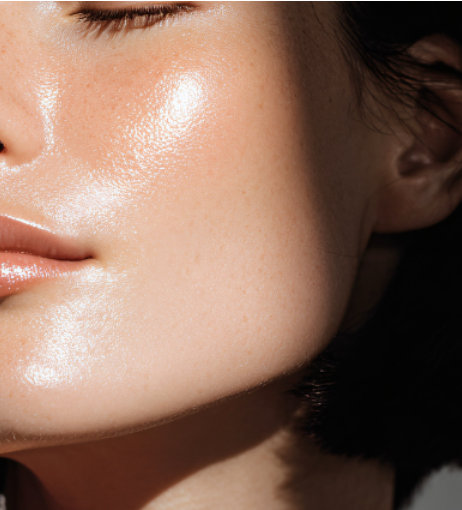

A mini facelift and a deep plane facelift differ significantly in their scope, technique, and the longevity of their results.
Mini Facelift: This procedure is less invasive, targeting early signs of aging, particularly in the lower face and jawline. It may involve smaller incisions and primarily tightens the skin and superficial tissues. While it offers a quicker recovery, the results are more subtle and typically last between 1 to 3 years. Mr Orfaniotis does not offer mini-facelifts.
Deep Plane Facelift: In contrast, a deep plane facelift addresses more advanced signs of aging by repositioning deeper facial structures, including SMAS and platysma muscle and fat pads. This technique provides a more comprehensive and natural-looking rejuvenation of the midface, jawline, and neck. The results are more dramatic and long-lasting, often enduring for a decade or more.
It's important to note that the deep plane facelift is a more complex procedure, requiring a surgeon with specialized expertise. Mr. Georgios Orfaniotis specialises exclusively in deep plane facelifts, ensuring that patients achieve transformative yet natural results.
A Deep Plane Facelift is one of the most effective and natural-looking facelift techniques. It lifts the deeper facial structures (SMAS layer) in a complex dissection technique for longer-lasting results, without the tight or artificial appearance. It’s ideal for those seeking true facial rejuvenation and is a signature procedure of Mr Orfaniotis who performs a true deep plane facelift with extended dissection.
More on Deep Plane Facelift →
This technique targets sagging in the neck and under-chin area by releasing deeper structures and sculpting a cleaner, more defined neckline. It often includes submandibular gland reduction and is commonly performed in combination with a Deep Plane Facelift. It is also performed as a stand-alone procedure in younger patients without mid-face laxity seeking sharper jawline definition.
Read more on Deep Neck Lift →
A Lip Lift involves surgically shortening the space between the base of the nose and the top of the upper lip. This distance can be elongated from genetics or aging. This procedure enhances the proportion of the face and of the lips.
Read more on Lip Lift →
A brow lift subtly elevates the eyebrows to reduce heaviness around the eyes and restore a more open, refreshed look. By repositioning the brow to its natural, youthful height, this procedure can improve signs of ageing without altering your expression. It’s often performed alongside a deep plane facelift or blepharoplasty for harmonious, upper-face rejuvenation.
Read more on Brow Lift →
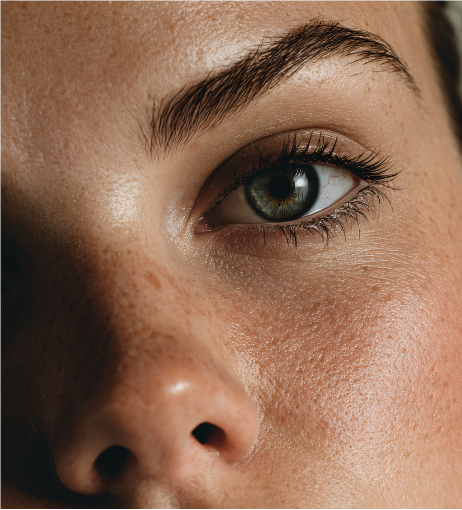
Upper blepharoplasty refreshes tired, hooded eyelids by removing excess skin. Lower blepharoplasty addresses under-eye bags and puffiness, typically using a transconjunctival (scarless) approach. Mr Orfaniotis uses techniques that prioritise natural results with minimal downtime.
Learn more about eyelid surgery →
Face and Neck lift surgeries are performed under general anaesthesia (T.I.V.A). Read more about TIVA here. Lip lift, upper blepharoplasty, and fat grafting procedures are performed under local anaesthetic with light sedation if required.
Yes. For patients based outside London or overseas, we offer virtual consultations to begin the discussion. This initial appointment covers your goals and suitability. A second, in-person consultation is required before surgery—this is included at no additional cost.
Book your appointment here.
Yes. Mr Orfaniotis is a specialist in deep plane facelift surgery and has extensive experience performing revision and secondary facelifts. These procedures are more complex and may involve correcting results from prior surgery or addressing natural ageing since your last procedure.
He regularly works with patients seeking refinement after an unsatisfactory outcome (revision) or those returning for a secondary or tertiary lift several years later. Every case is unique and assessed individually to determine the most effective, safe, and natural-looking plan forward.
We regularly welcome patients from Europe, the US, and beyond. Our dedicated Medical Concierge Service, led by Louise Finch, assists with:
- Travel planning
- Nearby hotel recommendations
- Chaperone and aftercare support
- Pre- and post-op scheduling and support
We recommend arriving 2–3 days before your procedure for pre-op planning. Most patients remain in London for 7–10 days after surgery to allow for check-ups and early recovery.
For short-haul flights (under 4 hours), most patients can travel safely from day 10 post-op. For long-haul journeys, we recommend waiting at least 14 days. Our recovery specialist doctor may also suggest precautions such as compression stockings or anti-clotting medication to support circulation during travel.
You can begin gentle movement, like brisk walking immediately. Using a stationary bike, from around 10 days post-surgery. Light stretching or yoga is usually fine after 2 weeks. We advise waiting 4 weeks before resuming more vigorous activity, and 6 weeks before return to full strenuous training.
You may resume driving around 2 weeks after surgery, once you are off any sedative medications and feel fully comfortable turning your head and responding quickly behind the wheel.

We suggest taking up to 4 weeks off if your job involves face-to-face meetings or physical activity. If your role is desk-based or remote, you may feel ready to return to virtual work and meetings from around 2 weeks post-op.
We recommend colouring your hair before your procedure. To avoid irritating healing incision sites, it’s best to wait at least 6 weeks post-surgery before using any hair dye or chemical treatments.
Recovery times vary based on the procedure you undergo. Generally:
- Deep Plane Facelift & Neck Lift: Expect 2-3 weeks of recovery for initial swelling and bruising to subside. Full recovery may take up to 6 months.
- Lip Lift: Recovery takes around 7-10 days for the initial healing phase, with minor swelling lasting for several weeks after.
- Blepharoplasty (Eyelid Surgery): Initial recovery takes 7-10 days, with swelling and bruising lasting up to 3 weeks.
Yes, in most cases. Dermal fillers can affect surgical outcomes due to their hydrophilic nature—they attract water, which can increase post-operative swelling and obscure natural tissue planes. Previous filler placement may also contribute to scarring or fibrosis in deeper layers, making surgery more complex. As part of his protocol, Mr Orfaniotis recommends dissolving filler before facial surgery to ensure the most precise and natural results. He works closely with a specialist who performs ultrasound-guided filler dissolving, ensuring accuracy and safety throughout the process.
Facial surgery is a deeply personal decision, and while it’s natural to want to look your best for a big event, such as a wedding, milestone birthday, or reunion, it’s important to approach the process with care and without pressure. While most patients will look and feel like themselves within 6 weeks, optimal healing takes time. Swelling continues to refine over several months, and scars mature gradually. Most facelift patients feel fully confident and photo-ready by 6 months, with any residual signs of surgery virtually undetectable (except, perhaps, to another plastic surgeon, but only if they’re really looking!).
That said, while complications are rare, they can happen, and we believe it’s important to allow yourself the space to heal without stress. For that reason, we typically recommend planning your procedure at least 6 months before any major event, giving you time to recover at your own pace and enjoy the journey.
Like any surgical procedure, there are risks involved, including infection, scarring, asymmetry, unmet expectations, or complications related to anaesthesia. However, Mr Orfaniotis uses advanced surgical techniques to minimise these risks. A full consultation and assessment will be conducted to ensure you're a suitable candidate for surgery, and we'll provide detailed aftercare instructions to help reduce any potential complications, alongside detailed information about specific risks involved.
Absolutely. Every patient’s recovery journey is different, and Mr Orfaniotis believes that optimal healing begins with a tailored approach. With a deep interest in the science of longevity and tissue recovery, he stays at the forefront of emerging research to support the best possible outcomes.
In addition to his personalised surgical techniques, he recommends a range of optional, evidence-led post-operative recovery treatments such as hyperbaric oxygen therapy and lymphatic massage for those seeking to optimise healing and minimise downtime.
Nutrition plays a critical role in the body’s ability to repair and regenerate. That’s why Mr Orfaniotis includes complimentary doctor-formulated nutritional support before and after surgery, a regime designed to provide the protein, fibre, vitamins, and minerals clinically shown to aid recovery.
More on recovery support →